


DevOps | InfoSec
Unmasking the Gaps: Why Akeyless Outperforms Traditional PAMA unified, modern approach built for today’s multi-cloud, automation-heavy environments.
DevOps | InfoSec
Unmasking the Gaps: Why Akeyless Outperforms Traditional PAMA unified, modern approach built for today’s multi-cloud, automation-heavy environments.
DevOps | Machine IAM | Security
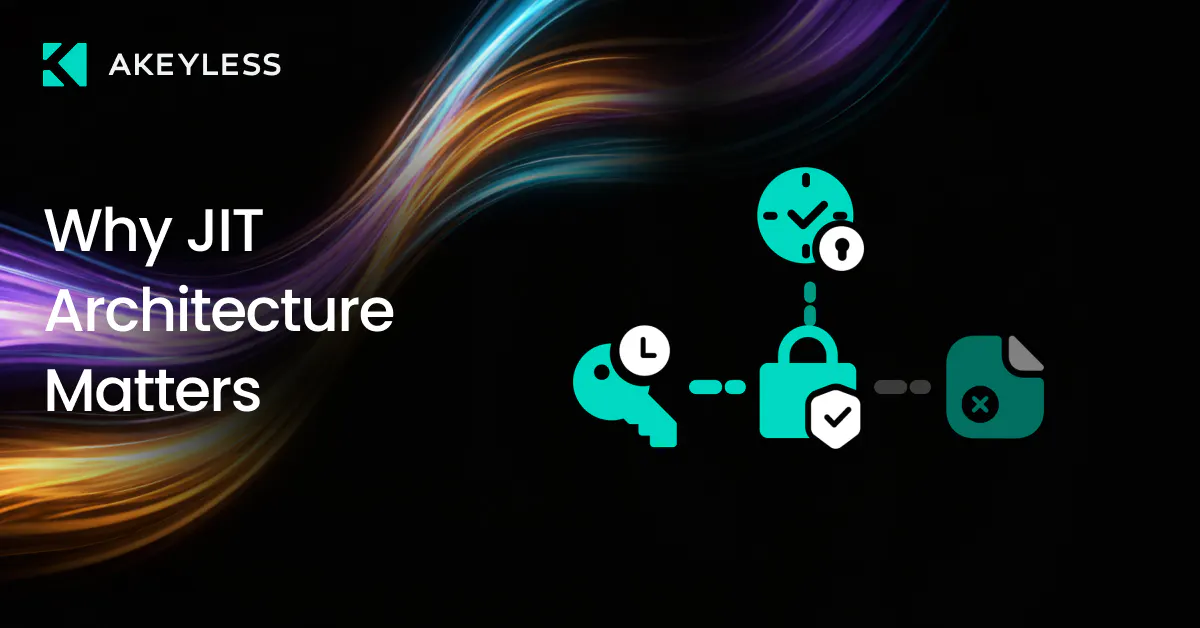
Not All Just-in-Time Access Is Created Equal: Why JIT Architecture MattersJust-in-Time isn't just about temporary credentials. It's about eliminating standing privileges without introducing operational complexity, infrastructure overhead, or new trust assumptions. Here's how Akeyless approaches JIT differently, and why the underlying architecture matters just as much as the credentials themselves.

DevOps | Machine IAM | Security
Shai-Hulud Returns: The npm Worm That Only Works Because Your Secrets Are Standing StillThe recent Shai-Hulud supply chain attack demonstrates a fundamental shift in how attackers compromise organizations. Rather than exploiting software vulnerabilities, the malware targets what already exists on developer workstations and CI/CD systems: long-lived credentials. From .env files and cloud credentials to HashiCorp Vault tokens and AI coding assistants, the attack succeeds because secrets remain static, discoverable, and reusable. The lesson is clear: reducing standing privileges, adopting just-in-time credentials, and moving toward secretless authentication dramatically reduces the attacker's blast radius.
DevOps | Machine IAM | Security
npm Just Killed the Skeleton Key: What It Means for Every Other Credential You OwnGitHub's new 2FA rules close npm's biggest attack path. Learn what changed, why it happened, and what it means for every credential in your CI pipeline.

Competitor | DevOps | InfoSec
Akeyless vs. HashiCorp Boundary for Enterprise Secure AccessCompare Akeyless Modern PAM vs. HashiCorp Boundary to see how enterprises can simplify secure remote access without managing infrastructure. Akeyless delivers a SaaS-native, Zero-Knowledge alternative that unifies access, secrets, and key management for hybrid and multi-cloud environments.

DevOps | Security
API Key Management: Why API Keys Are Insecure and What to Do InsteadIn this blog post, discover how understanding API keys can make your online activities safer and more efficient. Make your online interactions seamless and secure.
DevOps
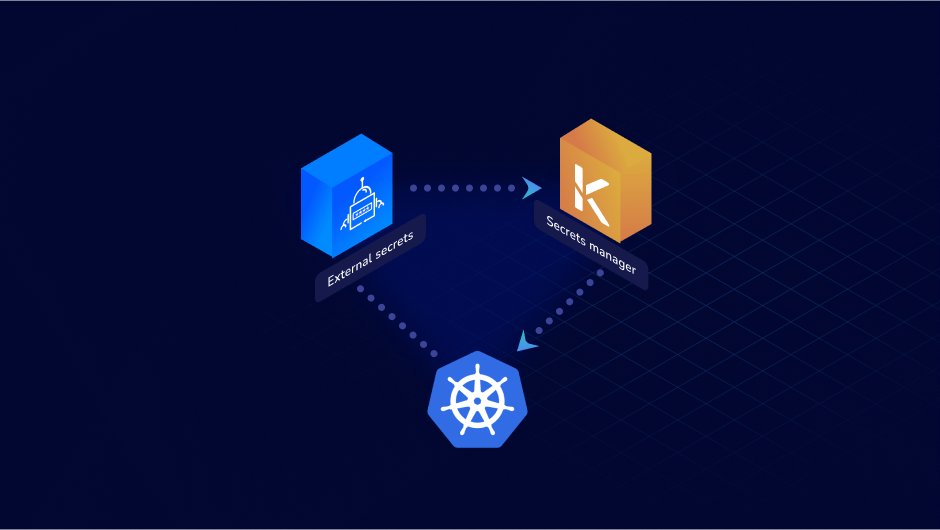
Using External Secrets Operator (ESO) with AkeylessLearn about the External Secrets Operator for Kubernetes open source project, and how you can use it with Akeyless secrets.
DevOps | InfoSec
The Hidden Risks of Secrets Mismanagement in CI/CD PipelinesThis blog uncovers the hidden risks of poorly managed secrets in CI/CD pipelines, from hardcoded credentials to excessive permissions, and provides actionable strategies to secure your workflows, protect sensitive data, and streamline deployments.
DevOps | Platform Engineering
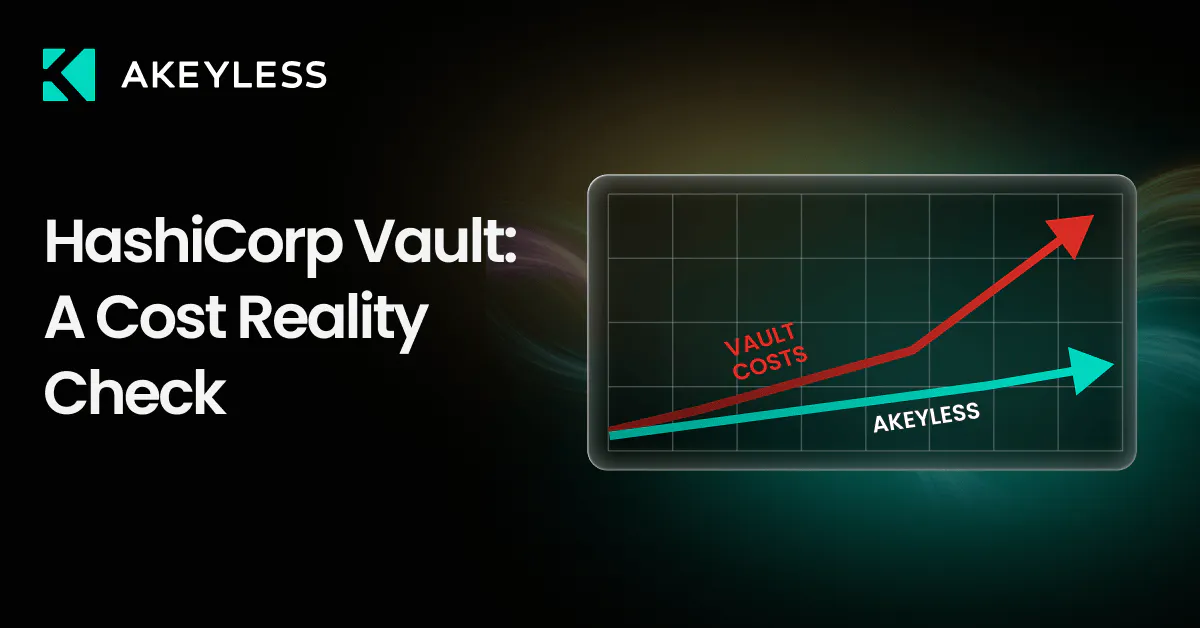
HashiCorp Vault Enterprise: A Cost Reality CheckHashiCorp Vault is the default choice for secrets management for good reason. It’s powerful, flexible, and battle-tested. But when teams sit down to evaluate cost, they almost always make the same mistake: they look at the license and stop there. The license is the easy part. What’s harder to quantify, and far more significant over […]
Competitor | DevOps | InfoSec
Akeyless vs. Infisical: Enterprise-Grade Secrets Management for the AI and Cloud EraAkeyless delivers scalable, Zero-Knowledge secrets and key management for enterprises that outgrow developer-first tools like Infisical.
DevOps | Security
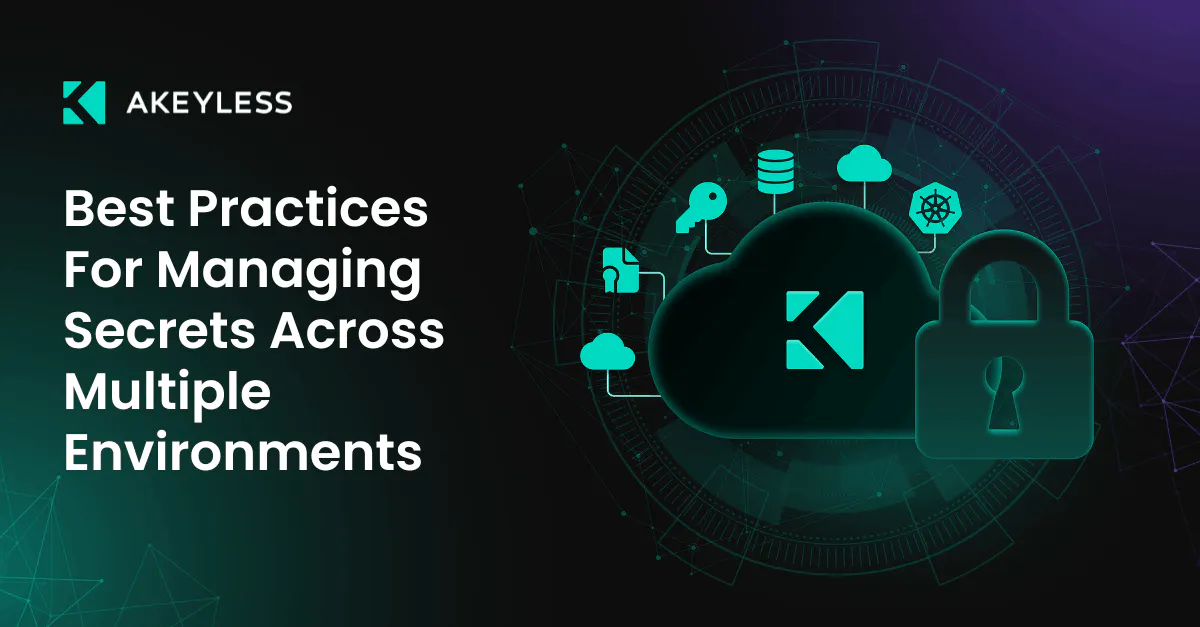
Best Practices For Managing Secrets Across Multiple EnvironmentsLearn how to manage secrets securely across multiple environments. Explore best practices, tools, and strategies for protecting sensitive information in modern systems
AI | DevOps | Product Updates
Secure Your n8n Automations: Akeyless Unveils Powerful New Community Node for n8n & Secretless AI AgentsIn today’s fast-paced world of workflow automation, security can no longer be an afterthought, especially when building intelligent, AI-driven processes. That’s why we’re thrilled to announce that the Akeyless n8n Community Node is now complete, published to npm, and readily available through the n8n Community Nodes marketplace! This integration brings the full power of Akeyless […]