Posted by Joyce Ling
September 1, 2023
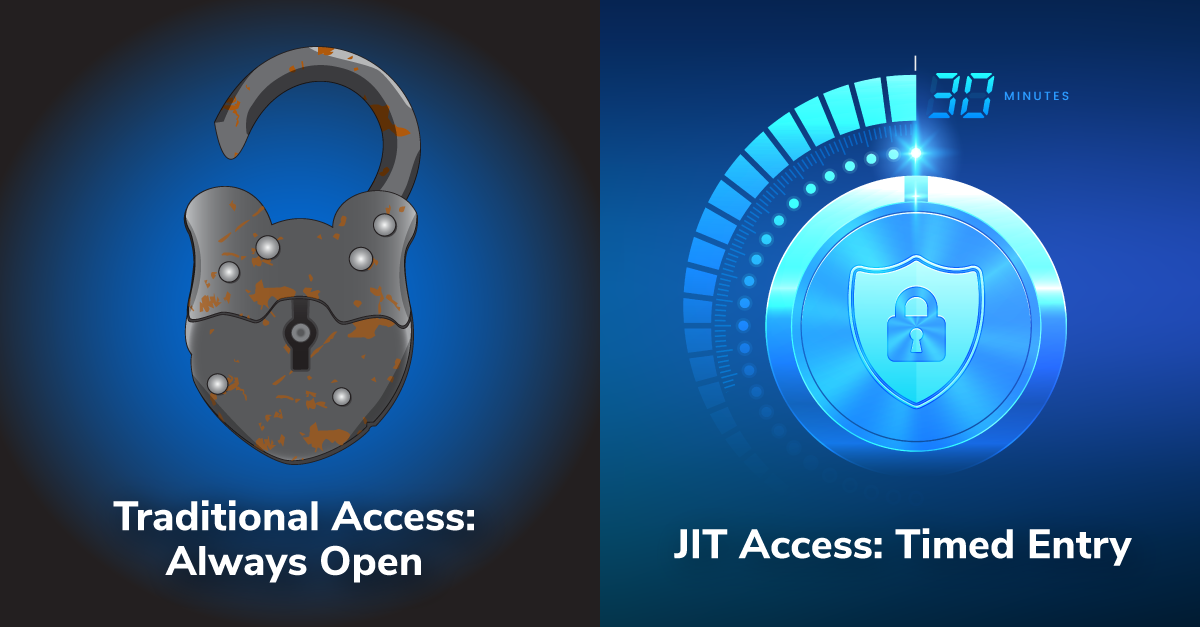
In our evolving digital world, security management continues to undergo significant transformations. At the forefront of these changes is the Just in Time (JIT) access management, a key aspect of effective secrets management. This model takes the well-known “least privilege” principle and refines it. While the traditional “least privilege” approach grants only necessary access for tasks, JIT access management’s “true least privilege” assigns rights exclusively for the duration needed. Picture it as opting for a timed entry ticket to a facility instead of an all-day pass, ensuring heightened security by eliminating extended access periods.
Today’s Common Practice: Surface-Level Least Privilege
The core of traditional least privilege management is straightforward: grant users, processes, or systems only the access needed for their specific roles. By mastering this, organizations can mitigate a vast majority of vulnerabilities. For example, simply by removing extraneous admin rights, organizations can address up to 88% of critical vulnerabilities. Still, this model has its shortcomings, particularly regarding the perpetual duration of privileged access.
The Elephant in the Room: Standing Privileges
Despite minimized access, many high-power accounts like Admin or Root remain perpetually active, retaining their extensive privilege set. Such accounts, with their persistent access, are termed as having “standing privileges.” This ever-present state of access is akin to leaving one’s door slightly open — a potential goldmine for malicious entities. The continuous nature of these privileges creates ample opportunity for threats, underscoring the need for a shift towards a more timed, measured access model.
What is JIT Access Management and How Does it Work?
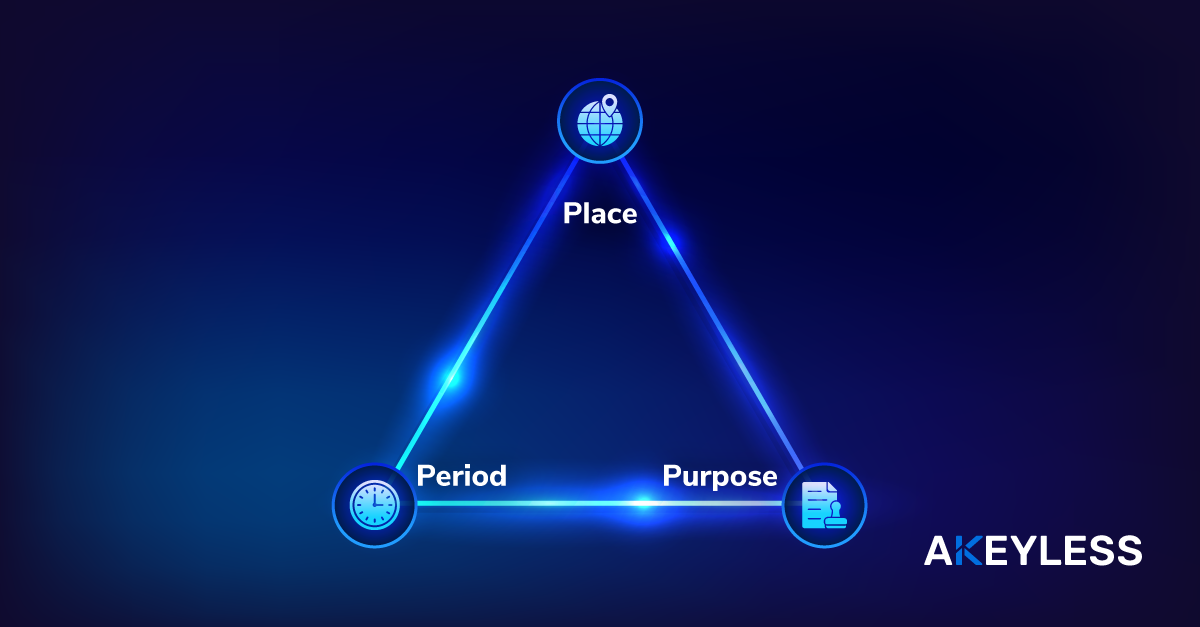
Just in Time Access is a method that revolves around three main pillars: the place, the period, and the purpose. Let’s break these down:
- Place: This is about determining which part of the system or which specific resources a user or machine wishes to access.
- Period: This dictates the duration a user or machine can have this special access. It ensures that the entity has permission only for the time they genuinely need it, be it minutes or hours.
- Purpose: This revolves around understanding what the user plans to achieve with the access, ensuring it’s a valid and safe operation.
Beyond human access, JIT also applies to automated processes in DevOps workflows (often facilitated by secrets managers). Temporary credentials can be issued and revoked automatically for both humans and machines based on what its trying to access, how long, and for what purpose.
Imagine this typical scenario: A third-party contractor needs access to a specific database or maybe a certain cloud instance. The system or an administrator evaluates this request in two main ways:
- It’s checked against preset rules or guidelines to see if it’s a routine and safe request.
- Alternatively, the request goes to the higher-ups or IT admins, who manually approve or deny it based on its merit.
This evaluation can happen automatically based on the company’s access rules. Once approved, the contractor can access what they need, accomplish the task within the given time frame, and then log out. What’s key here is that once the task is over, the special permissions are immediately taken back. This way, the enhanced access exists only when necessary, making the whole system safer and more efficient.
Types of JIT Access Management
As digital security continues to evolve, Just In Time (JIT) access stands out as a crucial approach that grants access solely when necessary. Let’s delve into the three predominant JIT access methods:
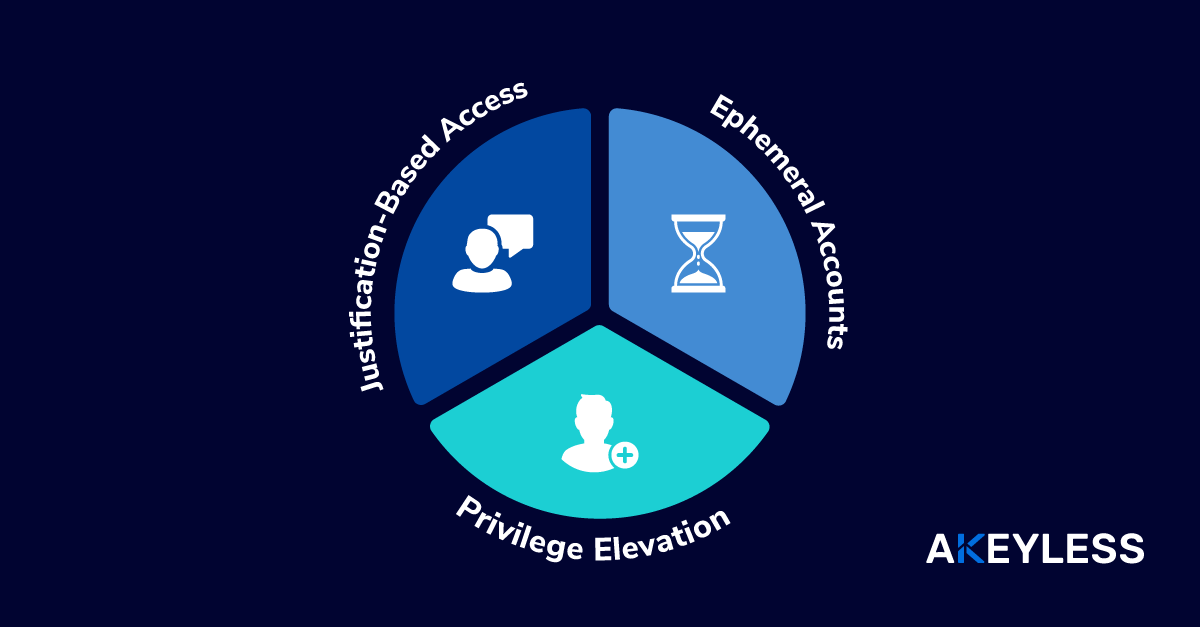
1. Justification-Based Access
This method requires users to provide a reason for needing special access. Upon verification and approval, users are granted temporary access. Ideal for environments where there’s a need for regular, yet controlled, elevated access, such as database maintenance in large IT departments. This method emphasizes a system of checks and balances, ensuring each request is accounted for.
2. Ephemeral Accounts
These are short-lived accounts created for a specific purpose. Often used for external partners or temporary users, the account either becomes inactive or is deleted once the task is complete. Suited for scenarios like third-party audits or vendor system checks, where outsiders require brief access but shouldn’t leave a lasting digital footprint. This is often also used in machine-to-machine access, in which automated processes require access for a defined period of time. Frequently these processes are temporary themselves, and so it is appropriate to only allow temporary, auto-expiring access.
3. Privilege Elevation
This involves granting users a higher level of access temporarily. If a task demands more privileges than a user’s regular role allows, they can request elevated access. Suited for situations where long-term employees or trusted users need temporary, higher-level access, such as during software updates or system migrations. Their access level reverts to its original state after completion.
In terms of application, the JIT methods can be used either in conjunction or separately, based on an organization’s needs. It often also depends on the combination of human-to-machine and machine-to-machine access. Some organizations might predominantly use Justification-Based Access due to frequent changes in their digital environment. Others, with many external collaborators, might lean more on Ephemeral Accounts. However, it’s common to see a blend, especially in larger entities, to cater to a diverse set of access requirements. The key is understanding the nuances of each approach and deploying them where they offer the greatest security benefit.
The Benefits of Adopting Enterprise-Wide Just in Time (JIT) Access
Mitigates Third-Party Access Risks
The Uber data breach serves as a clear lesson about the risks of unchecked third-party access. At the time, a third-party provider, no longer actively working with Uber, had lingering access privileges. Their credentials were hacked, opening a doorway into Uber. Using JIT access and effective secrets management, organizations can tightly control and limit third-party access to specified times and specific tasks. This ensures that if a third-party system is compromised, the risk to your business is greatly reduced.
It Eliminates the Risk of Standing Privileges, Reducing the Attack Surface
Following the theme of controlled access, JIT further benefits businesses by eliminating the risk of standing privileges. In a JIT environment, privileges aren’t constantly available. This setup reduces the chances of intruders taking advantage of always-open access points. With limited access periods, potential vulnerabilities become less enticing and harder to exploit, acting as another layer of defense against breaches.
Eases Management of Privileged Accounts
Gone are the days of manual monitoring and constant adjustments to privileged accounts. With JIT access, administrators can utilize automated features to manage account privileges. Functions like automatically updating credentials or setting expiry dates for access not only minimize human error but also free up valuable time for IT teams.
It Enhances the Organization’s Security Posture
By embracing a system where access is given on a need-to-have basis, an organization fundamentally strengthens its security backbone. It ensures that only those who genuinely need specific access get it, and even then, only for a limited time. This proactive approach keeps potential threats at bay, boosting overall security confidence.
Simplifies Access Workflow
Traditional access workflows can be cumbersome, causing delays and inefficiencies. JIT streamlines this process. Instead of navigating through layers of approvals, access is granted almost instantly through pre-set automations or quick manual reviews. This not only expedites tasks but also ensures that productivity isn’t hindered by access-related bottlenecks.
Provides Credential Protection
JIT access minimizes the risk associated with credential exposure. Since users are only given credentials when required, and these credentials change frequently, there’s a lesser chance of them being misused or falling into the wrong hands. This periodic resetting or rotation of credentials adds an additional layer of security against unauthorized access.
Improves Cybersecurity Posture
With JIT, every access request is scrutinized, logged, and evaluated, ensuring that only legitimate needs are catered to. This tight-knit control over who gets access and for how long substantially elevates the organization’s defense mechanisms against cyber threats.
Just in Time Access Supports Compliance
Regulatory compliance often demands a record of who accessed what and when. With JIT, every access instance is logged, creating a comprehensive record that can be invaluable during audits. This not only ensures that the organization is adhering to external regulations but also instills a sense of discipline and accountability internally.
Allows Automated Tasks
In the modern enterprise environment, numerous tasks are automated for efficiency. JIT can support this by providing service accounts — which handle these automated operations — with timely and specific access. By doing so, tasks run smoothly without compromising security, balancing functionality with protection.
What are Best Practices for Just in Time Access?
Evaluate Tasks and Privilege Control
Before granting any access, it’s crucial to analyze what is actually necessary for the task at hand. By tailoring access to the exact requirements, organizations can reduce unnecessary exposure. This approach minimizes the chances of users having more access than they truly need, thereby preventing accidental data breaches or misuses.
Create Granular Policies
Instead of broad, one-size-fits-all policies, opt for detailed ones tailored to specific roles or tasks. By having more nuanced policies, organizations can control the minutiae of access, ensuring that users have just the right amount of privilege for the duration required. Such granular control enhances security by eliminating generic access routes.
Begin With High-Risk Use Cases
When transitioning to a JIT access model, it’s wise to start with scenarios that carry the most risk. Whether it’s access to critical databases, sensitive company information, or financial systems, securing high-risk areas first can yield immediate security benefits and pave the way for wider implementation.
Enable Temporary Access
Instead of granting indefinite or long-standing privileges, favor temporary access that expires after a set duration. This ensures that once a task is done, any potential vulnerability window closes. This practice reduces the chances of unauthorized users exploiting credentials that are no longer in active use.
Create Ephemeral Accounts
For situations where external entities or third-party users need access, consider using ephemeral accounts. These are accounts created specifically for a one-time use or for a limited duration. Once the task is done, these accounts vanish, ensuring no lingering access points that could be exploited later.
Establish a Monitoring System
It’s not enough to just grant JIT access; it’s equally vital to monitor it. Establish a system that tracks who is accessing what, when, and for how long. This offers an insight into user behaviors, helps in early detection of suspicious activities, and provides valuable data for refining future access policies.
Set Up Control Policies
While granular policies focus on specific roles or tasks, control policies take a broader view. These determine the conditions under which access can be requested, who can approve these requests, and what validations are needed. They act as a foundation for the JIT system, guiding the overarching access dynamics within the organization.
Keep Credentials in a Secrets Management Tool
Given the sensitivity of credentials, they should be stored securely. Using a dedicated repository that employs encryption and other security measures ensures that even if there’s a breach attempt, the credentials remain safe. This practice also helps in efficiently managing and rotating credentials, further enhancing security.
Conclusion
In our dynamic digital era, ensuring security and effective secrets management is paramount. Enter Just in Time (JIT) access management, a transformative approach that redefines access. Instead of leaving access open-ended, JIT access management tailors it to when and how it’s truly needed. Imagine the difference between an always-open door and one that only opens at the right time, for the right person. That’s the essence of JIT access.
Beyond just security, it also aids in compliance. As regulations increasingly demand precise tracking of system access, JIT access management provides a clear and efficient record, simplifying this task.
In a nutshell, JIT access management offers a blend of heightened security and streamlined operations, making it an indispensable tool for companies aiming to navigate the digital landscape both safely and efficiently.
Frequently Asked Questions
Why should my organization move to a JIT access management model?
JIT access reduces potential security vulnerabilities, enhances compliance, improves operational efficiency, and offers a host of other benefits as detailed above.
Are there any drawbacks to JIT access management?
While JIT access is generally beneficial, it requires a robust infrastructure to handle requests swiftly and might need a change in organizational culture to adapt.
What is a Just in Time account?
It’s a temporary account created for a specific task or duration, which is terminated or revoked after use.
What is just enough access?
This refers to the principle of granting only the minimum necessary access to perform a specific task, aligning with the principle of least privilege (PoLP).
What is JIT in Devops?
In the DevOps context, JIT can refer to the on-demand allocation of access for machines or processes, ensuring efficient workflows without compromising security.
How Akeyless Makes Just in Time Access Possible
Embracing the principles of Just in Time (JIT), the Akeyless Vaultless® Platform offers a cutting-edge secrets management solution that provides dynamic, on-demand credentials for both human and machine access. With features like auto-expiring credentials and seamless CI/CD integration, it eradicates the vulnerabilities of standing privileges. Akeyless champions a true Zero Trust environment, ensuring users and machines gain access only when necessary. Coupled with tracking, session recording, and audit capabilities, Akeyless offers an efficient and secure approach to access management, leading organizations closer to a zero-standing privilege framework.
Experience yourself how Dynamic Secrets work in the Akeyless Platform 👇